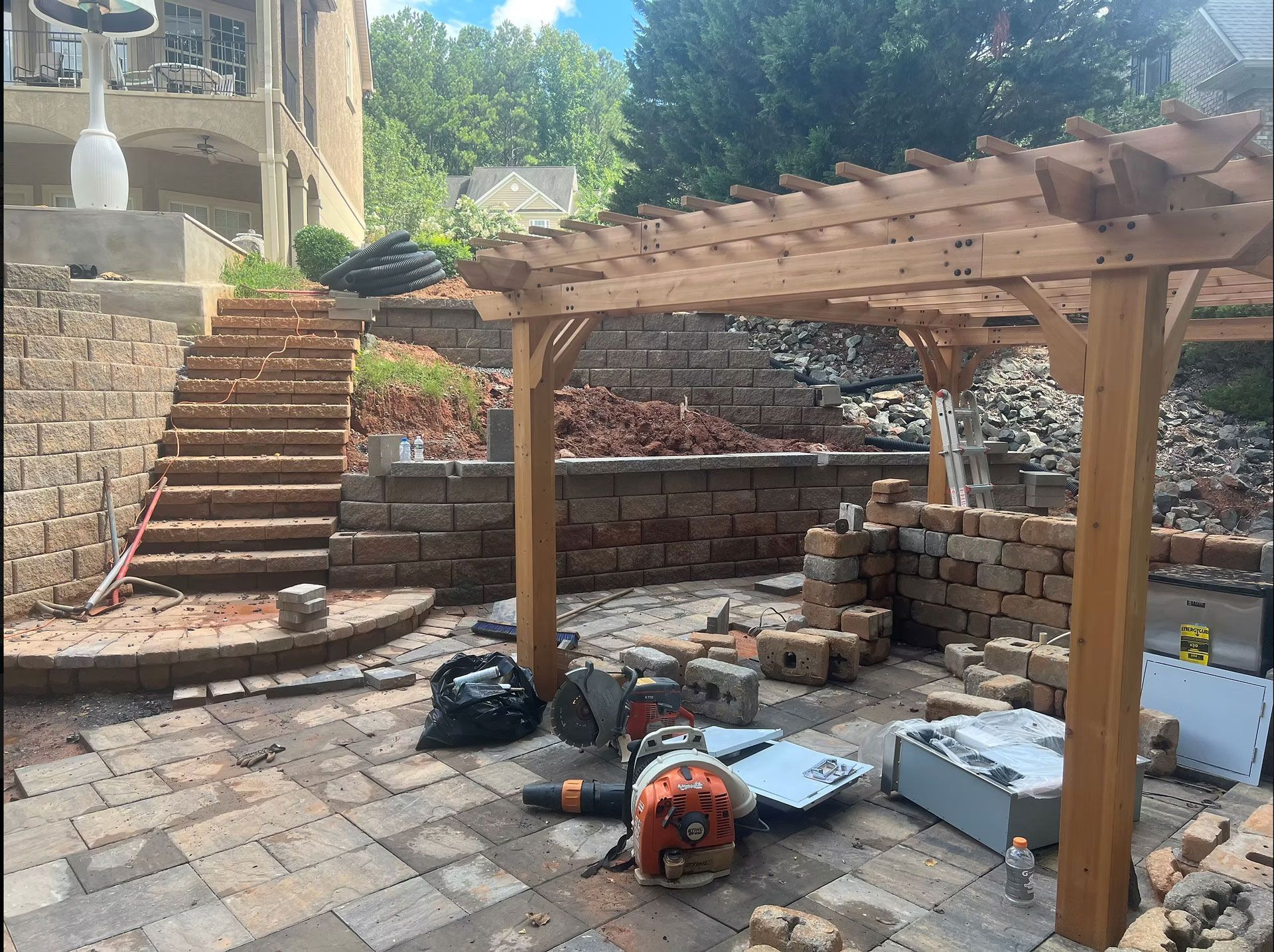
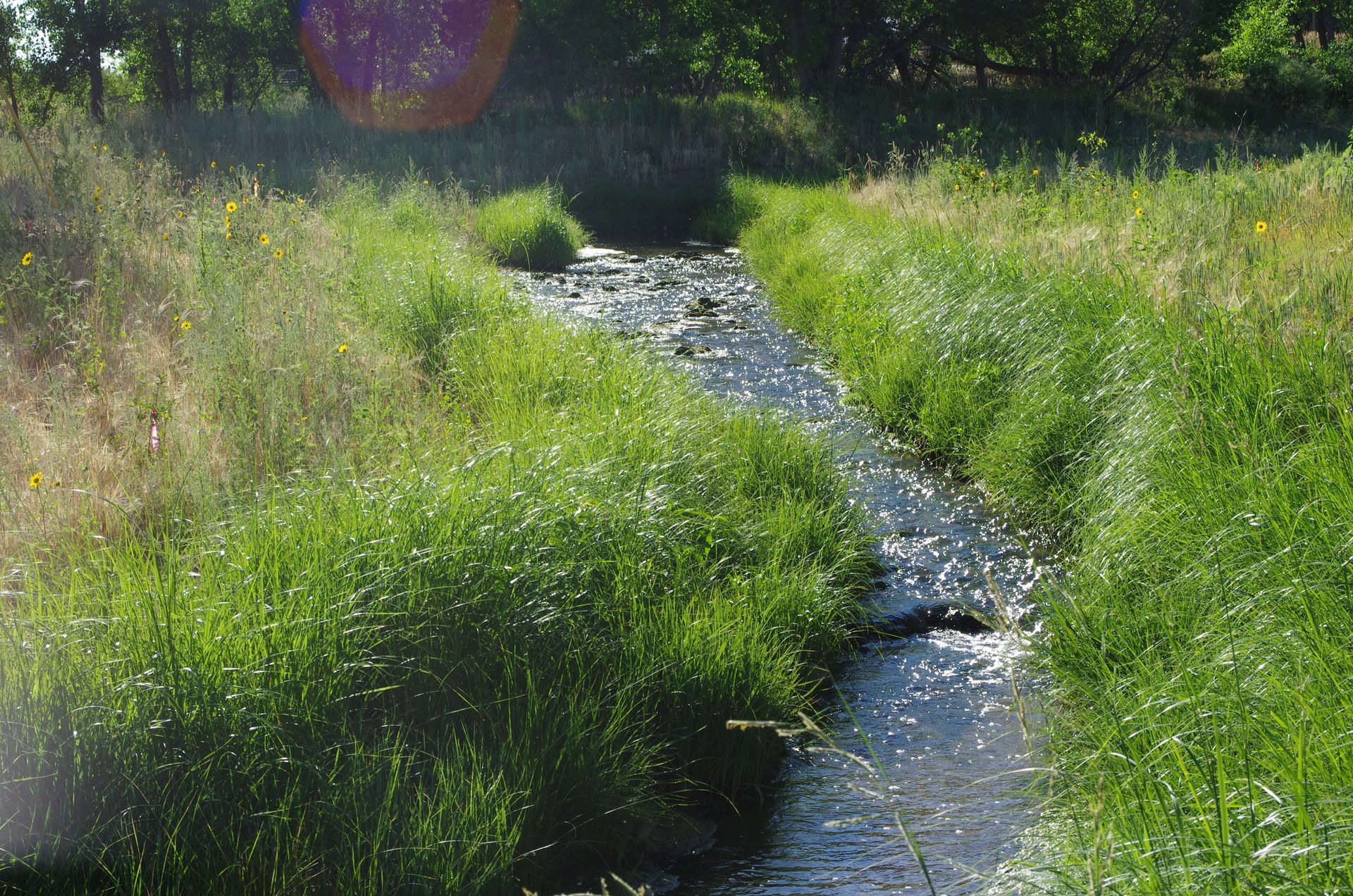
Stream Restoration in Huntersville, NC
Stream restoration addresses erosion, drainage disruption, and habitat loss along natural waterways running through Huntersville properties. ACM Collaborative provides stream restoration services designed to stabilize banks, improve water flow, and restore the natural function of streams affected by development, erosion, or previous alterations.
Request a stream restoration assessment from ACM Collaborative.

Why Stream Restoration Matters in Huntersville
Huntersville's development patterns and clay soil composition make local streams particularly vulnerable to erosion and sediment buildup. Stream restoration addresses these issues by stabilizing banks, reestablishing natural flow patterns, and reintroducing vegetation that supports long-term stream health.
Without stream restoration, eroding banks can undermine nearby structures, degrade water quality, and reduce the natural habitat value of a waterway running through a property.
Construction Documents
This adds the details to your project.
Construction
This will introduce the project to your site.
Completed Project
This will be the completion of your project!
01
01
Concept
Short description
Short description
Signs a Property May Need Stream Restoration
01
Visible Bank Erosion
Exposed soil and undercut banks along a waterway are common indicators that stream restoration work is needed.
02
Sediment Buildup
Excess sediment accumulation downstream often signals upstream erosion that stream restoration can help address.
03
Vegetation Loss Along Banks
Bare or sparsely vegetated stream banks reduce stability and are frequently addressed through stream restoration planting plans.
OUR PROCESS
Outdoor Fire Features
The Stream Restoration Process
Stream restoration follows a structured process that begins with assessment and ends with long-term stabilization. ACM Collaborative manages each phase of stream restoration to ensure lasting results rather than temporary fixes.
Site Assessment and Erosion Mapping
Stream restoration begins with mapping erosion points, flow patterns, and existing vegetation along the affected waterway.
Bank Stabilization
Bank stabilization techniques used in stream restoration may include natural materials, grading adjustments, and structural reinforcement suited to the site's specific erosion patterns.
Native Planting and Buffer Restoration
Stream restoration typically includes replanting native vegetation along banks to reduce future erosion and support the surrounding ecosystem.
Discuss bank stabilization options for your stream restoration project.
Construction Documents
This adds the details to your project.
Construction
This will introduce the project to your site.
Completed Project
This will be the completion of your project!
01
01
Concept
Short description
Short description
Stream Restoration and Property Drainage
Stream restoration often intersects with broader property drainage concerns, particularly on lots where water flow has been altered by development or previous landscaping changes. ACM Collaborative evaluates how stream restoration work affects overall property drainage before finalizing a restoration plan.
01
Managing Upstream and Downstream Impact
Stream restoration work considers how changes at one point along a waterway may affect erosion or flow patterns elsewhere on the property.
02
Coordinating with Existing Landscape Features
Stream restoration is planned alongside existing landscaping and hardscape features to avoid conflicts with established plant beds or structures.
Long-Term Maintenance After Stream Restoration
Stream restoration requires some ongoing attention to ensure newly stabilized banks and plantings establish successfully. ACM Collaborative provides guidance on monitoring and maintenance needs following a stream restoration project to protect the investment over time.
Ask ACM Collaborative about maintenance planning after stream restoration.
Construction Documents
This adds the details to your project.
Construction
This will introduce the project to your site.
Completed Project
This will be the completion of your project!
01
01
Concept
Short description
Short description
Frequently Asked Questions
What is stream restoration and why is it needed?
Stream restoration is the process of stabilizing eroding banks and restoring natural flow patterns along a waterway, typically needed when erosion, sediment buildup, or vegetation loss occurs.
How do I know if my property needs stream restoration?
Signs that a property may need stream restoration include visible bank erosion, sediment accumulation, and sparse or absent vegetation along the stream banks.
How long does a stream restoration project take?
Stream restoration timelines vary based on the length of waterway affected and the extent of erosion, ranging from several weeks to multiple months for larger projects.
Does stream restoration require permits in Huntersville?
Stream restoration projects often require permits due to environmental regulations governing waterways, and this is addressed during the planning phase.
What techniques are used in stream restoration?
Stream restoration techniques include bank stabilization, grading adjustments, and native plant installation to reduce erosion and support long-term stream health.
Can stream restoration help with property drainage issues?
Yes, stream restoration often improves overall property drainage by correcting flow disruptions that contribute to erosion and standing water.
What plants are used in stream restoration projects?
Native vegetation suited to streamside conditions is typically selected for stream restoration projects to support bank stability and local ecosystems.
How much does stream restoration cost?
Stream restoration costs depend on the extent of erosion, length of waterway involved, and stabilization methods required, with estimates provided after a site assessment.
Does stream restoration affect nearby landscaping?
Stream restoration is planned to coordinate with existing landscaping, minimizing disruption to established plant beds and hardscape features near the waterway.
What maintenance is required after stream restoration?
Newly restored streams typically require monitoring for plant establishment and occasional erosion checks during the first few growing seasons.
Can stream restoration prevent future erosion?
Properly executed stream restoration significantly reduces the likelihood of future erosion by stabilizing banks and restoring natural vegetation buffers.